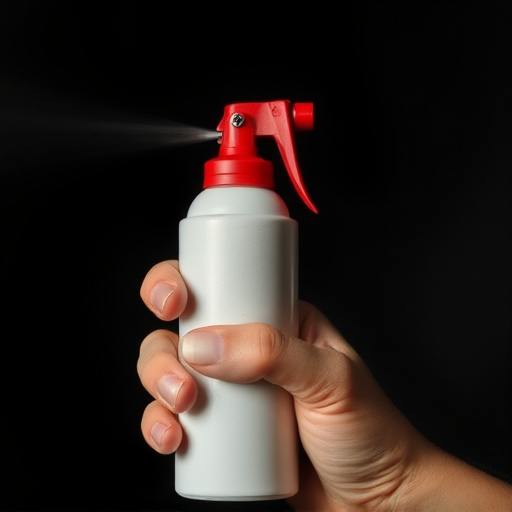
Pepper spray loses potency over time due to oxygen exposure and moisture, with significant degradation occurring once opened. Proper storage—keeping canisters tightly closed, cool, dry, and away from sunlight—extends shelf life from 6-12 months unopened to up to 3 years after opening. Regular inspection for damage or leakage ensures its readiness. Avoid high temperatures, humidity, and direct air exposure during use to maximize effectiveness. Discard pepper spray if it shows signs of decay like changes in color, consistency, or odor.
“Discover the power and longevity of anti-assault pepper spray—your ultimate self-defense tool. This comprehensive guide delves into the science behind its composition, exploring how it works and how long it lasts after opening. Learn about the factors impacting shelf life, including storage techniques to ensure maximum effectiveness.
Understand the signs that indicate replacement is necessary, ensuring you’re prepared with a reliable defense system. With practical insights on pepper spray shelf life after opening, stay informed and take control of your safety.”
- Understanding Pepper Spray: Its Composition and Efficacy
- The Impact of Opening: Unlocking the shelf life potential
- Factors Affecting Pepper Spray Longevity
- Storage Techniques to Maximize Shelf Life
- When to Replace: Recognizing Signs of Decay
Understanding Pepper Spray: Its Composition and Efficacy
Pepper spray, a powerful defense tool, is designed to incapacitate an assailant by causing temporary blindness, coughing, and difficulty breathing through irritation of the eyes and respiratory tract. Its primary active ingredient is capsaicin, a compound derived from chili peppers that triggers these reactions. The spray’s composition includes this irritant mixed with a solvent and other additives to ensure proper delivery and stability. While highly effective in deterring and disabling an attacker, understanding pepper spray’s shelf life after opening is crucial for its optimal performance.
The effectiveness of pepper spray begins to diminish over time, even when unopened. However, once opened, it exposes the capsaicin to oxygen and potential contamination, significantly impacting its potency. Pepper spray shelf life after opening varies depending on storage conditions but generally ranges from 6 to 12 months. Proper storage, including keeping the canister tightly closed and storing it in a cool, dry place away from direct sunlight, can help maximize its lifespan. Regular inspection for signs of damage or leakage is also essential to ensure the spray remains potent and ready for use when needed.
The Impact of Opening: Unlocking the shelf life potential
When you open a can of pepper spray, it’s crucial to understand how this action affects its shelf life. Unlike many self-defense tools that maintain their potency indefinitely when stored properly, pepper spray begins to degrade once exposed to air and moisture. The pepper spray shelf life after opening is significantly shorter than its original state, often reducing its effectiveness within a few months.
To maximize the potential of your anti-assault pepper spray, it’s essential to store it correctly after opening. Keep the canister tightly sealed when not in use, avoid exposing it to direct sunlight or extreme temperatures, and ensure it remains dry. Following these simple steps can help unlock the full shelf life potential of your pepper spray, providing you with a reliable defense tool when it matters most.
Factors Affecting Pepper Spray Longevity
The longevity of pepper spray, once opened, is influenced by several key factors. One of the primary considerations is storage – keeping it in a cool, dry place away from direct sunlight can significantly extend its shelf life after opening. The environment plays a crucial role; high temperatures and humidity can accelerate degradation, leading to reduced effectiveness over time.
Additionally, exposure to air and potential contamination contribute to its deterioration. Since pepper spray is an aerosol, every time the canister is opened or used, it exposes the contents to oxygen and moisture in the air, which can break down the active ingredients. It’s essential to note that once a can has been partially used, its remaining lifespan becomes shorter due to residual moisture entering the canister during each application.
Storage Techniques to Maximize Shelf Life
Proper storage is key to maintaining the effectiveness and potency of pepper spray, especially after it has been opened. To maximize shelf life, keep the canister in a cool, dry place away from direct sunlight and heat sources. Extreme temperatures can degrade the active ingredients, reducing the spray’s performance. Avoid storing it in damp or humid environments as moisture can also compromise its integrity. It is recommended to keep the canister sealed when not in use to prevent debris and contaminants from entering, which could block the nozzle or reduce its accuracy.
Additionally, pepper spray manufacturers often suggest storing spare canisters separately from the one carried on your person for added security. This way, if your primary defense is rendered useless due to an unexpected opening or exposure to harsh conditions, you still have a backup ready for use when needed most. Regularly checking the expiration date and inspecting the canister for any signs of damage, corrosion, or leakage will also help ensure its reliability when called upon as a self-defense tool.
When to Replace: Recognizing Signs of Decay
After opening, pepper spray has a limited shelf life, typically ranging from 1 to 3 years. Recognizing signs of decay is crucial to ensure its effectiveness when needed. Over time, the spray’s potency can diminish due to oxidation and exposure to heat, light, or air. Look for any changes in color, consistency, or odor as indicators of potential degradation.
A stale or weak smell, cloudiness, or separation of components are all signs that the pepper spray may no longer be viable. It’s essential to discard it if you notice any of these symptoms, as using outdated spray could be ineffective during an emergency situation. Regularly checking the expiration date and storage conditions will help ensure you have a reliable self-defense tool when it matters most.
Pepper spray, an effective self-defense tool, can provide crucial protection when needed. Understanding its composition, shelf life after opening, and proper storage techniques is essential for maximizing its efficacy. By recognizing the signs of decay and replacing it promptly, users can ensure they have a reliable defense mechanism whenever required. With proper care, pepper spray can serve as a dependable game-changer in potentially dangerous situations.